
Introduction
A healthy smile is one of the first things people notice about you. However, oral health is much more than having white teeth or fresh breath. Your mouth plays an important role in your overall well-being, and taking care of it can help prevent numerous dental and health problems.
Many people ask, “How to improve oral health?” because they want to avoid cavities, gum disease, bad breath, and costly dental treatments. The good news is that maintaining excellent oral health does not require complicated routines. Small daily habits can make a huge difference in protecting your teeth and gums for years to come.
In this guide, we will explore practical ways to improve oral health, understand common dental problems, and learn how simple lifestyle choices can contribute to a healthier smile.
Why Oral Health Matters
Oral health affects more than just your mouth.
Healthy teeth and gums help you:
- Eat comfortably
- Speak clearly
- Smile confidently
- Prevent infections
- Support overall health
Poor oral hygiene can lead to:
- Tooth decay
- Gum disease
- Tooth loss
- Bad breath
- Oral infections
In some cases, oral health problems may even affect other parts of the body.
This is why good dental care should be a priority for everyone.
Understanding Common Oral Health Problems
Before learning how to improve oral health, it helps to understand the most common dental issues.
Cavities
Cavities occur when bacteria in the mouth produce acids that damage tooth enamel.
Symptoms may include:
- Tooth sensitivity
- Pain
- Visible holes
- Discomfort while eating
Gum Disease
Gum disease develops when plaque builds up around the gumline.
Signs include:
- Red gums
- Swelling
- Bleeding during brushing
- Bad breath
If left untreated, gum disease can eventually lead to tooth loss.
Bad Breath
Persistent bad breath is often caused by:
- Poor oral hygiene
- Dry mouth
- Gum disease
- Food particles trapped between teeth
Maintaining proper oral care can significantly reduce bad breath.
Brush Your Teeth Correctly
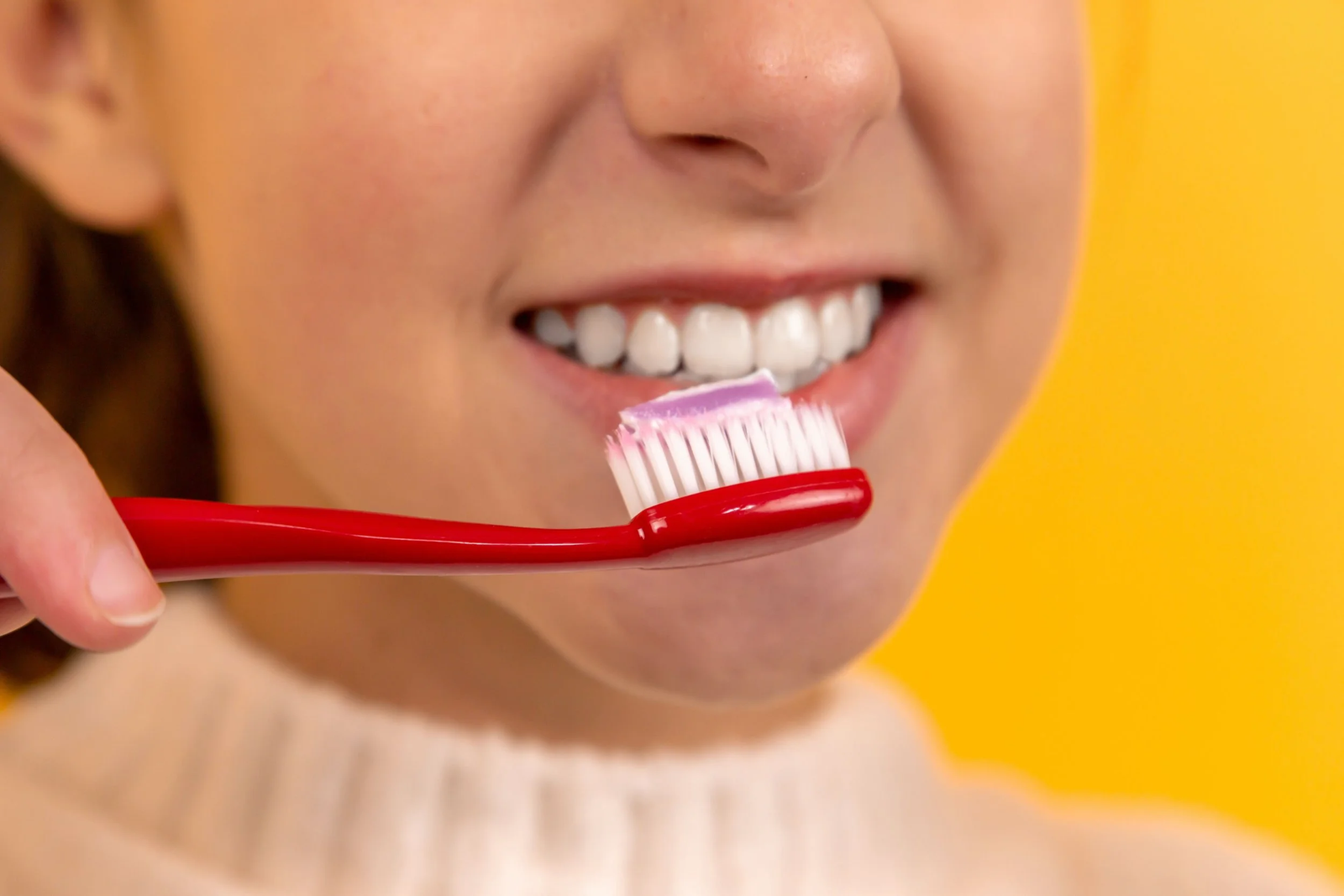
Brushing is the foundation of oral health.
Many people brush every day but may not brush effectively.
How Often Should You Brush?
Dentists recommend:
- Brushing twice daily
- Brushing for at least two minutes each time
Proper Brushing Technique
To clean your teeth properly:
- Use a soft-bristled toothbrush.
- Hold the brush at a slight angle.
- Use gentle circular motions.
- Clean all tooth surfaces.
- Brush your tongue as well.
Brushing helps remove plaque, bacteria, and food debris that can lead to dental problems.
Choose the Right Toothpaste
Not all toothpaste products offer the same benefits.
A fluoride toothpaste is generally recommended because fluoride helps:
- Strengthen enamel
- Prevent cavities
- Reduce sensitivity
- Protect against decay
Using the right toothpaste can significantly improve your oral health over time.
Floss Every Day
Flossing is one of the most overlooked parts of oral hygiene.
A toothbrush cannot effectively reach the spaces between teeth.
Benefits of Flossing
Daily flossing helps:
- Remove food particles
- Reduce plaque buildup
- Prevent gum disease
- Improve breath freshness
Even a few minutes of flossing each day can have a major impact on oral health.
Use Mouthwash for Extra Protection
Mouthwash can complement brushing and flossing.
Benefits of Mouthwash
| Benefit | Result |
|---|---|
| Reduces Bacteria | Cleaner mouth |
| Freshens Breath | Better confidence |
| Supports Gum Health | Less inflammation |
| Helps Control Plaque | Better oral hygiene |
Choose an alcohol-free mouthwash if you experience dry mouth or sensitivity.
Maintain a Healthy Diet
Nutrition plays a major role in oral health.
The foods you eat directly affect your teeth and gums.
Foods That Support Oral Health
Try to eat more:
- Fruits
- Vegetables
- Dairy products
- Nuts
- Lean proteins
- Whole grains
These foods provide nutrients that support healthy teeth and gums.
Foods to Limit
Reduce consumption of:
- Candy
- Sugary drinks
- Sticky sweets
- Processed snacks
Sugar feeds harmful bacteria that produce acids capable of damaging tooth enamel.
Drink More Water
Water is one of the best beverages for oral health.
Benefits of Water
- Washes away food particles
- Helps neutralize acids
- Supports saliva production
- Prevents dry mouth
Saliva plays a crucial role in protecting teeth from decay and maintaining a healthy mouth.
Drinking water throughout the day supports both oral and overall health.
Protect Your Gums
Healthy gums are essential for a healthy smile.
Signs of Healthy Gums
- Pink color
- Firm texture
- No bleeding
- No swelling
Warning Signs of Gum Disease
- Bleeding gums
- Redness
- Swelling
- Persistent bad breath
- Receding gums
Early treatment can prevent more serious dental complications.
Avoid Tobacco Products
Smoking and tobacco use can severely damage oral health.
Tobacco increases the risk of:
- Gum disease
- Tooth loss
- Oral cancer
- Bad breath
- Tooth discoloration
Quitting tobacco can dramatically improve both oral and general health.
Limit Sugary and Acidic Drinks
Beverages can affect oral health as much as food.
Examples of drinks that may harm teeth include:
- Soda
- Energy drinks
- Sweetened coffee drinks
- Sports drinks
These beverages expose teeth to sugar and acid, which can weaken enamel.
Water remains the healthiest option for maintaining strong teeth.
Replace Your Toothbrush Regularly
An old toothbrush cannot clean effectively.
When Should You Replace It?
Replace your toothbrush:
- Every three to four months
- After illness
- When bristles become worn
A fresh toothbrush helps ensure effective cleaning.
Manage Stress
Stress may not seem related to oral health, but it can have a significant impact.
Stress can contribute to:
- Teeth grinding
- Jaw clenching
- Poor oral hygiene habits
Healthy Stress Management Techniques
Consider:
- Exercise
- Meditation
- Deep breathing
- Adequate sleep
- Relaxation activities
Managing stress supports both oral and overall wellness.
Visit Your Dentist Regularly
Professional dental care remains one of the most important aspects of oral health.
Benefits of Dental Checkups
- Professional cleaning
- Early cavity detection
- Gum disease monitoring
- Oral cancer screening
- Personalized advice
Many dental issues develop without obvious symptoms.
Regular visits help identify problems before they become serious.
Watch for Early Warning Signs
Pay attention to changes in your mouth.
Seek professional care if you notice:
- Tooth pain
- Bleeding gums
- Persistent bad breath
- Loose teeth
- Sensitivity
- Mouth sores
Early intervention often leads to better outcomes.
Build a Daily Oral Care Routine
Consistency is key to maintaining oral health.
Simple Daily Routine
- Brush twice daily.
- Floss once daily.
- Use mouthwash.
- Drink water regularly.
- Eat healthy foods.
- Avoid excessive sugar.
- Visit the dentist regularly.
Small daily habits can create long-lasting improvements.
The Connection Between Oral Health and Overall Health
Your oral health affects more than your smile.
Poor oral hygiene has been linked to:
- Heart disease
- Diabetes complications
- Respiratory issues
- Inflammation
Taking care of your mouth supports your entire body.
Learning About Oral Wellness
Education plays an important role in maintaining good health. Reliable resources such as yourassistantlive com can provide valuable information about healthy living, personal care, wellness habits, and self-improvement strategies.
The more informed you are, the easier it becomes to make smart decisions that support long-term oral and overall health.
Benefits of Good Oral Health
When you prioritize oral hygiene, you may experience:
| Area | Benefit |
|---|---|
| Teeth | Stronger enamel |
| Gums | Reduced disease risk |
| Breath | Fresher breath |
| Appearance | Brighter smile |
| Confidence | Improved self-esteem |
| Health | Better overall wellness |
These benefits often improve multiple areas of life simultaneously.
Final Thoughts
If you have been asking “How to improve oral health?”, the answer lies in developing simple daily habits and maintaining consistency. Proper brushing, flossing, healthy eating, hydration, regular dental visits, and avoiding harmful habits all contribute to a healthier mouth.
Remember that oral health is not just about appearance. It is an essential part of your overall well-being. By making small improvements today and continuing to learn through trusted resources such as yourassistantlive com, you can enjoy stronger teeth, healthier gums, and a confident smile for years to come.
Frequently Asked Questions (FAQs)
1. How often should I brush my teeth?
Most dentists recommend brushing twice daily for at least two minutes each time.
2. Is flossing really necessary?
Yes. Flossing removes food particles and plaque from areas that toothbrushes cannot effectively reach.
3. What foods are best for oral health?
Fruits, vegetables, dairy products, nuts, lean proteins, and whole grains help support strong teeth and healthy gums.
4. How often should I visit the dentist?
Most people should visit a dentist every six months, although individual recommendations may vary.
5. Can poor oral health affect overall health?
Yes. Poor oral health has been linked to several medical conditions and may negatively impact overall wellness.