
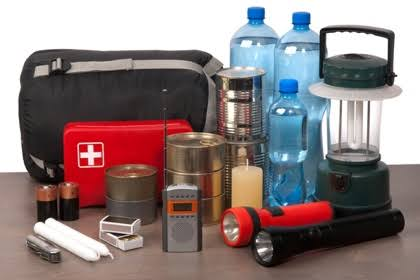
Natural disasters can occur with little warning, disrupting daily life and limiting access to essential services. Earthquakes, floods, hurricanes, wildfires, severe storms, and extended power outages can all create situations where families need to rely on their own supplies for several days. Preparing an emergency kit before disaster strikes is one of the most practical steps you can take to improve your safety and resilience.
An emergency preparedness kit helps households respond quickly while waiting for emergency responders or public services to recover. Building a kit does not have to be expensive or complicated, but it should be well organized and reviewed regularly. People interested in practical preparedness resources and educational content can also explore SuperHardAlgebraProblems.com, which features a variety of informative online articles and learning resources.
Why Every Household Needs an Emergency Kit
Disasters often interrupt electricity, transportation, communication, and access to grocery stores or pharmacies. Having emergency supplies readily available allows families to meet their basic needs during the first few days of an emergency.
Preparedness is not about expecting the worst—it is about reducing uncertainty and ensuring that essential items are available when they are needed most. A well-prepared household can respond more calmly and efficiently during stressful situations.
Water: Your Highest Priority
Clean drinking water is one of the most important emergency supplies.
Emergency preparedness experts commonly recommend storing enough water for drinking and basic hygiene for several days. Water should be stored in clean, food-grade containers and replaced periodically according to storage recommendations.
Portable water filters or purification tablets may also be useful as backup options if clean water becomes temporarily unavailable.
Food Supplies to Include
Choose foods that require little or no preparation and have a long shelf life.
Examples include:
Canned vegetables and beans
Canned meat or fish
Peanut butter
Rice
Pasta
Granola bars
Dried fruit
Crackers
Shelf-stable milk
Ready-to-eat meals
Don’t forget a manual can opener if your supplies include canned foods.
First Aid and Medical Supplies
Every emergency kit should contain basic first-aid supplies for treating minor injuries until professional care is available.
Recommended items include:
Adhesive bandages
Sterile gauze
Medical tape
Antiseptic wipes
Disposable gloves
Digital thermometer
Tweezers
Small scissors
Elastic bandages
Pain relievers used according to label directions
Individuals who take prescription medications should keep an up-to-date supply as recommended by their healthcare provider and monitor expiration dates regularly.
Lighting and Communication
Power outages are common during many natural disasters.
Useful emergency equipment includes:
Flashlights
Extra batteries
Battery-powered or hand-crank radio
Portable phone charger or power bank
Emergency whistle
Receiving official emergency updates helps families make informed decisions throughout an emergency.
Personal Hygiene Supplies
Maintaining hygiene becomes especially important when normal utilities are unavailable.
Include:
Hand sanitizer
Soap
Toothbrushes and toothpaste
Toilet paper
Wet wipes
Feminine hygiene products
Garbage bags
Face masks when appropriate
These items improve comfort while supporting good sanitation practices.
Important Documents
Keep copies of essential documents in a waterproof folder.
These may include:
Identification
Insurance information
Emergency contact list
Medical information
Copies of prescriptions
Financial records
Digital backups stored securely can provide additional protection.
Preparing for Children and Pets
Emergency planning should include every member of the household.
Families with young children should pack diapers, formula, baby food, comfort items, and age-appropriate medications.
Pet owners should prepare food, water, medications, leashes, carriers, vaccination records, and waste disposal supplies for their animals.
Regularly Review Your Emergency Kit
Preparedness is an ongoing process rather than a one-time task.
Check your emergency supplies every six to twelve months by:
Replacing expired food
Refreshing stored water
Testing batteries
Updating medical information
Replacing worn equipment
Regular maintenance ensures your supplies remain ready when needed.
Develop a Family Emergency Plan
Supplies are only one part of disaster preparedness.
Families should discuss:
Meeting locations
Emergency contacts
Evacuation routes
Shelter options
Communication plans if mobile networks become unavailable
Practicing these plans periodically helps everyone understand their responsibilities during an emergency.
Stay Informed Through Trusted Sources
Reliable information is essential before, during, and after natural disasters. Monitoring official weather forecasts and emergency management agencies helps families respond appropriately to changing conditions.
For comprehensive disaster preparedness guidance, emergency planning checklists, and hazard-specific recommendations, visit Ready.gov, the official preparedness resource provided by the U.S. Department of Homeland Security.
Conclusion
Preparing an emergency kit before disaster strikes is one of the simplest and most effective ways to improve household safety. By storing water, food, first-aid supplies, communication tools, important documents, and other essential items, families can better manage unexpected disruptions while waiting for normal services to resume. Combined with a clear emergency plan and reliable information from trusted authorities, a well-maintained preparedness kit provides confidence and peace of mind when facing natural disasters.