
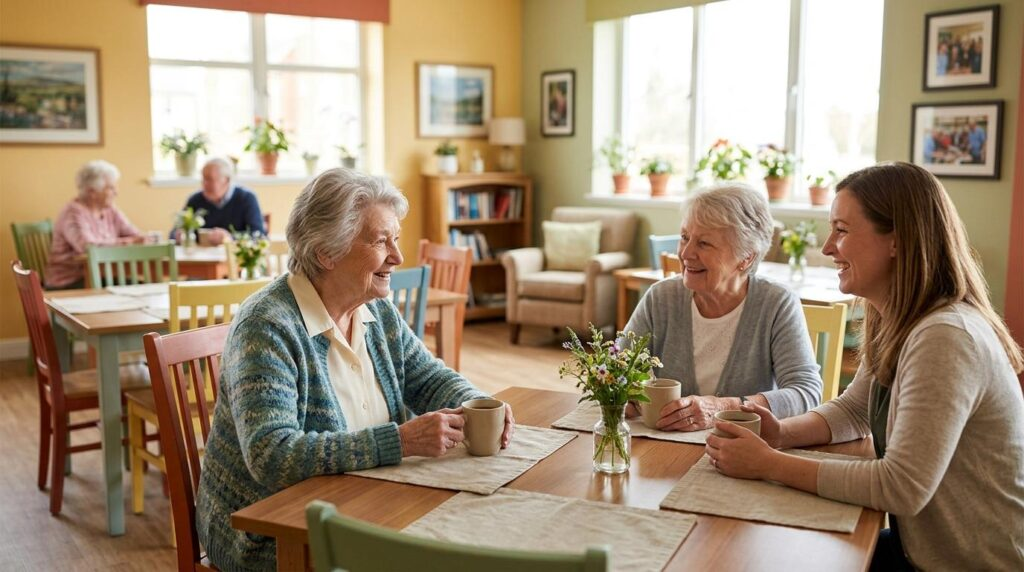
As people grow older, everyday routines can sometimes become more challenging. Tasks that once felt simple, such as preparing meals, keeping a home organized, getting dressed, or remembering appointments, may require additional support. For many older adults and their families, senior residential communities with daily assistance offer a practical way to maintain comfort, safety, independence, and social connection.
Choosing the right living arrangement is an important decision. Families often want a place where their loved ones can receive dependable assistance without giving up their sense of dignity or personal choice. Understanding how these communities work, what services they provide, and what families should consider can make the decision much easier.
For families exploring different senior living options, edencarecommunities.com can be a useful starting point for learning more about residential care and daily assistance.
What Are Senior Residential Communities?
Senior residential communities are living environments designed to support older adults while providing varying levels of assistance. Unlike living completely independently at home, residents can access services that make everyday life easier and more manageable.
The level of support can differ from one community to another. Some residents may need only occasional help with daily routines, while others may require more consistent assistance. The goal is generally to provide an environment where seniors can live comfortably while receiving appropriate support.
These communities may also provide shared dining areas, recreational spaces, outdoor areas, transportation options, housekeeping, and opportunities for social activities. This combination of residential comfort and support can make daily life less stressful for both residents and their families.
Why Daily Assistance Matters for Older Adults
Daily assistance is not simply about helping someone complete household tasks. It can also contribute to confidence, safety, routine, and quality of life.
For example, an older adult may have difficulty preparing meals or managing a busy household but still want to remain involved in personal decisions. A supportive residential community can provide help where it is needed while allowing the resident to maintain control over other aspects of daily life.
Assistance can also reduce the pressure placed on family caregivers. Relatives may have work, children, and other responsibilities that make providing full-time support difficult. Professional staff can help ensure that important daily needs receive consistent attention.
Common Services Offered by Senior Residential Communities
The services available depend on the community and the individual resident’s needs. However, several forms of assistance are commonly associated with senior residential living.
Personal Care Assistance
Personal care may include help with activities such as bathing, dressing, grooming, and other everyday routines. Staff can provide assistance while respecting the resident’s privacy and independence.
Meal Preparation and Dining
Nutritious meals can be an important part of senior living. Communities may provide scheduled meals, snacks, dining rooms, and assistance for residents who have difficulty preparing food independently.
Having meals available can also create regular opportunities for residents to socialize with others rather than eating alone.
Housekeeping and Laundry
Keeping up with cleaning and laundry can become tiring or physically demanding. Residential communities may offer housekeeping and laundry services so residents can spend more time enjoying activities and less time handling household chores.
Medication Support
Some communities provide assistance with medication routines according to their policies and applicable regulations. Families should ask exactly what medication-related services are available and whether the community can accommodate their loved one’s needs.
Transportation
Transportation services can help residents attend appointments, shop for necessities, or participate in community activities. Reliable transportation can be particularly valuable for seniors who no longer drive.
Social and Recreational Activities
A good residential community should support more than physical needs. Games, exercise programs, group events, creative activities, educational sessions, and social gatherings can help residents stay engaged.
Supporting Independence While Providing Assistance
One of the most important aspects of senior residential care is finding the right balance between support and independence.
Older adults should not automatically lose control over their daily lives simply because they need assistance. Whenever possible, residents should be encouraged to make choices about meals, activities, schedules, hobbies, and personal routines.
A supportive approach focuses on helping residents do what they can independently and providing assistance with areas that have become difficult.
This philosophy can make the transition into residential living more positive. Instead of viewing assistance as a loss of independence, residents may see it as a resource that allows them to continue enjoying the activities and relationships that matter to them.
The Importance of Safety
Safety is another major reason families consider senior residential communities. A suitable environment can be designed with older adults’ needs in mind.
Features may include accessible bathrooms, handrails, appropriate lighting, emergency response systems, secure entrances, and staff availability. Communities may also have procedures for responding to emergencies and communicating with family members.
However, families should never assume that every community offers the same safety features. During a visit, ask about emergency procedures, staff availability, fall prevention, transportation, and how changing care needs are handled.
Social Connection Can Improve Daily Life
Loneliness and social isolation can affect older adults, particularly when they live alone or have limited opportunities to interact with others.
Residential communities can create natural opportunities for social connection. Shared meals, group activities, celebrations, exercise classes, and casual conversations can help residents build friendships and develop a sense of belonging.
The National Institute on Aging also highlights the importance of staying socially connected as people age, making opportunities for meaningful interaction an important consideration when evaluating senior living options.
How Families Can Evaluate a Community
Selecting a residential community requires more than looking at photographs or reading a brochure. Families should take time to evaluate the environment personally.
Start by considering the resident’s current needs. Think about mobility, personal care, meals, transportation, social interests, and the amount of assistance required each day.
During a visit, observe how staff interact with residents. Are they respectful and patient? Do residents appear comfortable? Is the environment clean and welcoming?
Families should also ask practical questions about:
- Monthly costs and additional fees
- Available care services
- Staff availability
- Meal options
- Transportation
- Activities and social programs
- Housekeeping and laundry
- Emergency procedures
- Visitor policies
- How increasing care needs are handled
- Communication with family members
Taking notes during visits can make it easier to compare multiple communities objectively.
Considering the Resident’s Preferences
The best senior living arrangement should reflect the individual rather than simply meeting a checklist of services.
Some seniors may prioritize quiet surroundings, while others may prefer a community with many social activities. One person may care most about dining options, while another may value transportation or access to outdoor spaces.
Location can also matter. A community close to family members may make regular visits easier and help maintain familiar relationships.
Whenever possible, include the older adult in the decision-making process. Listening to their preferences can make the transition more comfortable and reinforce their sense of independence.
Planning for Changing Needs
A senior’s needs may change over time. Someone who requires minimal assistance today may need additional support in the future.
For this reason, families should ask whether a community can accommodate changing needs. Find out which services are available on-site and what happens if a resident eventually requires a higher level of care.
Planning ahead can prevent families from having to make rushed decisions during a stressful situation.
It is also useful to review the community’s policies and costs carefully. Understanding what is included in the basic fee and what services cost extra can help families plan realistically.
Making the Transition Easier
Moving from a familiar home into a residential community can be an emotional experience. Preparation can make the transition smoother.
Allow the senior to bring meaningful personal belongings, photographs, books, decorations, or other familiar items. These small details can make a new living space feel more personal.
Families can also maintain familiar routines when possible. Regular phone calls and visits can provide reassurance during the first few weeks.
Most importantly, give the resident time to adjust. Building new friendships and becoming familiar with a new routine does not always happen immediately.
Conclusion
Senior residential communities with daily assistance can provide a valuable combination of support, comfort, safety, and social engagement. For older adults who need help with everyday routines, these communities can make life more manageable while still encouraging independence and personal choice.
For families, the key is to look beyond the appearance of a community and carefully evaluate its services, staff, safety practices, costs, activities, and ability to meet changing needs. A thoughtful comparison can help families find an environment where their loved one feels respected, supported, and connected.
Ultimately, the right residential community is one that provides the appropriate level of assistance while allowing seniors to continue living meaningful and fulfilling lives.