
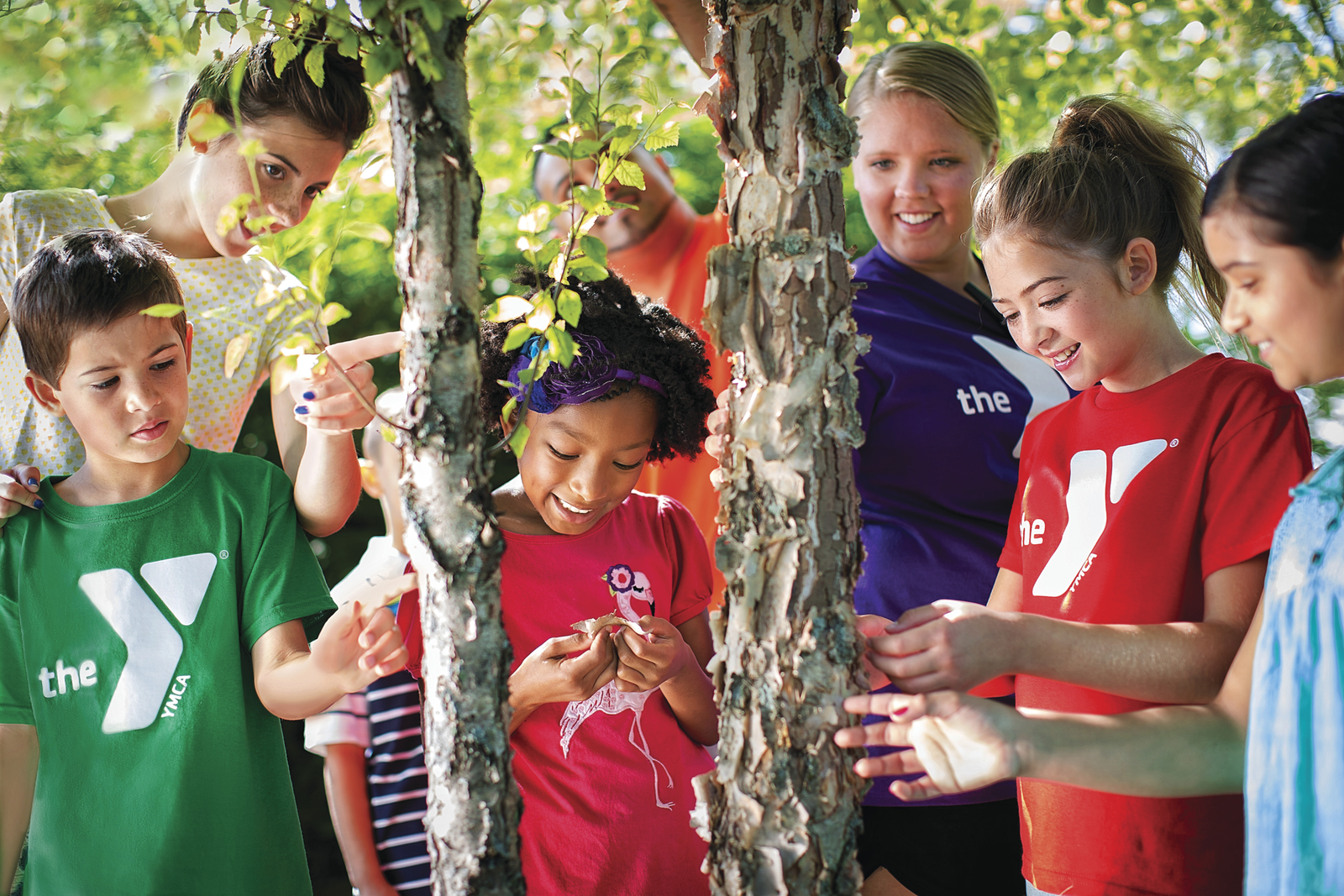
Strong communities are built when people have access to opportunities that support their physical health, personal development, education, and social connections. Community organizations play an important role in bringing people together and creating programs that respond to local needs. From youth activities and fitness opportunities to family services and educational initiatives, these programs can have a meaningful impact on people of different ages and backgrounds.
For individuals looking to learn more about community-focused initiatives, ymcaeuc.org provides a useful starting point for exploring YMCAEUC.org and the types of programs and services associated with community development. Understanding how these initiatives work can help families, young people, adults, and community members identify opportunities that match their interests and needs.
Why Community Programs Matter
Community programs provide more than organized activities. They create spaces where people can develop skills, build relationships, and participate in positive experiences. A well-designed community program can help reduce social isolation while encouraging people to become more active and involved in their neighborhoods.
For children and teenagers, structured activities can encourage teamwork, confidence, responsibility, and communication. Adults may benefit from fitness programs, educational opportunities, volunteer activities, and social events. Older adults can also benefit from programs designed around wellness, connection, and continued participation in community life.
The value of these services becomes particularly clear when programs are accessible and welcoming to people from different backgrounds. Community organizations can help create an environment where individuals feel encouraged to participate, learn, and contribute.
Youth Development and Educational Opportunities
Young people are an important focus of many community organizations. Youth programs can provide structured environments where children and teenagers can learn outside traditional classroom settings.
Activities such as sports, arts, educational workshops, leadership programs, and group projects can help young people develop practical skills. They can also encourage positive habits and provide opportunities to interact with peers in constructive environments.
Educational support is another valuable component. Community-based learning can complement school education by giving young people opportunities to explore subjects, develop interests, and practice problem-solving. Programs that emphasize leadership can also help teenagers become more confident when making decisions and working with others.
Building Leadership Skills
Leadership does not necessarily begin with holding an official position. It can develop through everyday experiences such as organizing an activity, helping another participant, speaking in front of a group, or working toward a shared goal.
Youth programs that encourage responsibility can help participants understand cooperation, accountability, and effective communication. These skills can remain useful throughout education, employment, and personal life.
Health and Wellness Services
Physical and mental well-being are closely connected to community participation. Accessible wellness programs can encourage people to make healthier choices while giving them opportunities to stay active.
Fitness activities may include group exercise, recreational sports, swimming, walking programs, or age-appropriate physical activities. The most effective programs often focus on consistency rather than competition, making participation comfortable for beginners as well as experienced individuals.
Wellness can also involve education. People may benefit from information about healthy routines, nutrition, physical activity, stress management, and other aspects of maintaining a balanced lifestyle.
Organizations such as the YMCA have historically emphasized healthy living alongside community engagement. The YMCA of the USA provides a broader example of how YMCA organizations can combine youth development, healthy living, and social responsibility within community-based services.
Family and Community Engagement
Families often look for activities that allow different members to participate and connect. Community programs can provide opportunities for parents, children, and other family members to spend meaningful time together.
Family-oriented events may include recreational activities, educational sessions, seasonal events, sports, workshops, and community gatherings. Such experiences can strengthen relationships while helping families become more familiar with local resources.
Community engagement also extends beyond formal programs. Volunteer opportunities, fundraising activities, neighborhood events, and collaborative projects can encourage residents to contribute their time and skills.
When people participate in these activities, they can develop a stronger sense of belonging. This sense of connection is particularly valuable because healthy communities depend on people being willing to support one another.
Programs for Adults and Older Adults
Community services should not be limited to children and families. Adults and older adults can also benefit from programs that encourage learning, activity, and social interaction.
Adult programs may focus on fitness, recreation, professional development, educational activities, or community involvement. These opportunities can help people pursue personal goals while meeting others with similar interests.
For older adults, social participation can be especially valuable. Activities that encourage movement, conversation, hobbies, and group participation can provide meaningful opportunities to remain active within the community.
Programs should ideally consider different abilities and experience levels. Creating welcoming environments can make it easier for participants to join without feeling that they need to meet a particular fitness or skill standard.
The Importance of Inclusive Community Services
Accessibility and inclusion are essential parts of effective community programming. A program can have significant value, but its impact may be limited if people cannot reasonably participate.
Inclusive programming means considering factors such as age, ability, experience, schedule, and individual interests. Clear information about activities, registration requirements, locations, and available services can also make participation easier.
Creating welcoming spaces encourages people who may be new to community activities to become involved. Over time, regular participation can help build relationships between individuals who might otherwise have little opportunity to interact.
How to Choose the Right Community Program
With different activities available, choosing the right program starts with understanding individual goals. Someone interested in becoming more physically active may benefit from recreational sports or fitness sessions, while a parent may be more interested in youth development or family activities.
Before joining a program, consider:
Identify Your Goal
Determine what you want to gain from the experience. Your goal might be improving fitness, learning a skill, meeting people, supporting a child, or becoming more involved in the community.
Consider Schedule and Accessibility
A program is easier to maintain when its schedule fits your routine. Consider session times, location, transportation, and any participation requirements before registering.
Explore Different Activities
Trying different programs can help participants discover activities they genuinely enjoy. A person who does not enjoy traditional exercise, for example, may find that recreational sports, swimming, group activities, or outdoor programs are more engaging.
Ask Questions
If information is unclear, contact the organization responsible for the program. Asking about age requirements, costs, schedules, equipment, registration, and accessibility can help participants choose confidently.
Creating Long-Term Community Benefits
The strongest community programs are not simply short-term activities. They can contribute to long-term development by helping people establish healthier routines, stronger relationships, and greater confidence.
A young participant who develops teamwork skills through sports may carry those skills into school and future employment. An adult who joins a fitness group may develop a healthier routine while forming new social connections. A volunteer may discover new interests and become more active in local initiatives.
These individual outcomes can combine to create broader community benefits. When more people participate, cooperate, and support local initiatives, communities can become more connected and resilient.
Making the Most of Community Opportunities
Participation is often the first step toward discovering the full value of community services. Rather than viewing programs simply as scheduled activities, participants can approach them as opportunities to learn, connect, and contribute.
Families can explore activities together, young people can take advantage of leadership opportunities, adults can develop new interests, and older adults can remain socially engaged. Volunteers can also contribute valuable time and experience to support programs and other participants.
Ultimately, the success of community programming depends on both the organizations providing services and the people who participate in them. When programs are thoughtfully designed and community members are actively involved, they can create lasting positive experiences.
Conclusion
Community programs and services can make a meaningful difference by bringing people together around health, education, recreation, personal development, and social connection. Youth activities can help build confidence and leadership, wellness programs can encourage healthier lifestyles, and family and community initiatives can strengthen relationships.
YMCAEUC.org represents the broader idea that community-focused services can provide opportunities for people at different stages of life. By exploring available programs, identifying personal goals, and becoming actively involved, individuals can gain valuable experiences while contributing to a stronger and more connected community.
The greatest benefit of community participation is often the combination of personal growth and collective impact. When people have opportunities to learn, stay active, build relationships, and serve others, communities become better equipped to grow together.