
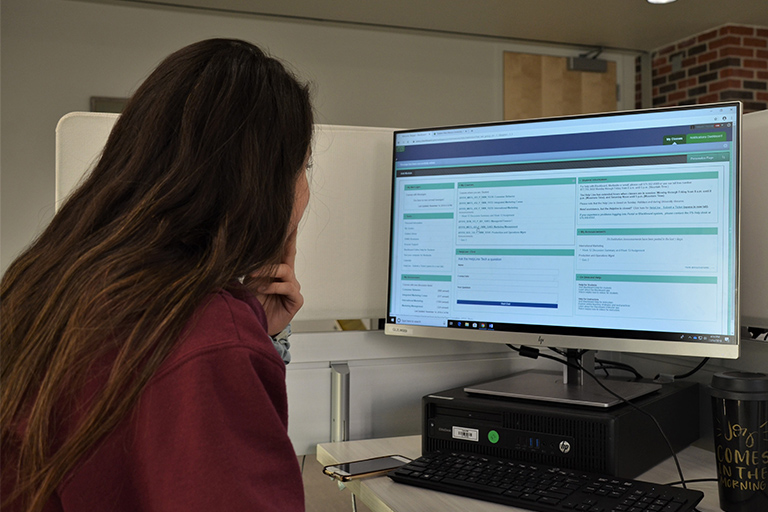
Technology has transformed the way people learn, work, and communicate. Whether you’re a student managing coursework or a professional handling multiple projects, using technology effectively can improve productivity, organization, and overall efficiency. From cloud-based collaboration tools to cybersecurity best practices, understanding how to leverage modern technology has become an essential skill in today’s digital world.
The rapid pace of technological innovation means new tools and strategies are constantly emerging. Staying informed about practical technology tips allows individuals to work smarter, protect their data, and adapt to changing workplace and educational environments. Small improvements in digital habits can lead to significant gains in performance and time management.
Many users explore trusted technology resources such as Gizmocrunch.com to discover practical guides, software recommendations, productivity strategies, and updates on emerging technologies that support both academic and professional success.
Why Technology Skills Matter
Digital skills are no longer optional in education or the workplace. Employers and educational institutions increasingly expect individuals to use technology confidently and responsibly.
Strong technology skills help users:
- Improve productivity
- Communicate efficiently
- Organize information
- Collaborate remotely
- Solve technical problems
- Adapt to new software
Developing these abilities prepares individuals for long-term success in an increasingly digital environment.
Organize Your Digital Workspace
A cluttered digital environment can reduce efficiency.
Simple organization strategies include:
- Creating clearly labeled folders
- Removing unnecessary files
- Backing up important documents
- Using cloud storage
- Keeping desktops clean
An organized workspace makes important files easier to locate and reduces wasted time.
Use Cloud Storage Wisely
Cloud storage enables users to access files from multiple devices while protecting important information.
Benefits include:
- Automatic backups
- Easy collaboration
- Remote accessibility
- File version history
- Reduced hardware dependence
Popular cloud services also simplify document sharing among teams and classmates.
Strengthen Cybersecurity Habits
Protecting personal and professional information should always be a priority.
Essential security practices include:
- Using strong, unique passwords
- Enabling multi-factor authentication
- Updating software regularly
- Avoiding suspicious links
- Installing trusted security software
Good cybersecurity habits reduce the risk of data breaches and identity theft.
Improve Productivity with Digital Tools
Technology offers countless applications that help manage tasks more effectively.
Useful categories include:
Task Management
Digital planners and task managers help organize assignments, meetings, and deadlines.
Calendar Applications
Scheduling tools reduce missed appointments and improve time management.
Note-Taking Software
Digital notes allow users to organize ideas, search information quickly, and synchronize content across devices.
Selecting tools that match individual workflows increases efficiency without adding unnecessary complexity.
Master Keyboard Shortcuts
Learning keyboard shortcuts saves valuable time during everyday computer use.
Common shortcuts include:
- Copy
- Paste
- Undo
- Save
- Search
- Switch between applications
Small improvements in daily workflow can significantly increase productivity over time.
Manage Screen Time
While technology improves efficiency, excessive screen time may reduce concentration and affect well-being.
Helpful habits include:
- Taking regular breaks
- Following the 20-20-20 rule for eye comfort
- Limiting unnecessary notifications
- Setting focused work sessions
Maintaining balance supports both productivity and health.
Keep Software Updated
Software updates often include:
- Security improvements
- Performance enhancements
- Bug fixes
- New features
Installing updates promptly helps maintain system stability while reducing security vulnerabilities.
Learn Basic Troubleshooting
Understanding simple technical solutions can save time.
Useful troubleshooting skills include:
- Restarting devices
- Checking internet connections
- Clearing browser cache
- Managing storage space
- Updating drivers
These basic techniques resolve many common technology issues without requiring professional assistance.
Digital Collaboration Best Practices
Remote work and online learning rely heavily on effective collaboration.
Successful teamwork includes:
- Clear communication
- Organized file sharing
- Consistent document naming
- Regular progress updates
- Respect for deadlines
Technology supports collaboration when used thoughtfully and consistently.
Stay Informed About Emerging Technology
Technology continues to evolve rapidly.
Important trends include:
- Artificial intelligence
- Cloud computing
- Automation
- Cybersecurity
- Data analytics
- Internet of Things (IoT)
Continuous learning helps individuals remain competitive in both academic and professional environments.
Learn from Trusted Technology Resources
Reliable technology information is essential for making informed decisions about software, security, and digital tools. Organizations such as the National Institute of Standards and Technology (NIST) publish practical guidance on cybersecurity, emerging technologies, and digital best practices that benefit students, professionals, and businesses alike.
Using trusted educational resources helps users build stronger technical knowledge while improving digital safety.
Conclusion
Technology has become an indispensable part of education and modern workplaces. By developing strong digital habits, organizing workflows, protecting personal information, and embracing continuous learning, students and professionals can maximize productivity while adapting to rapidly changing technologies.
Small improvements in daily technology use often produce lasting benefits. Whether managing coursework, collaborating with colleagues, or learning new digital skills, thoughtful use of technology creates opportunities for greater efficiency, better organization, and long-term success.