
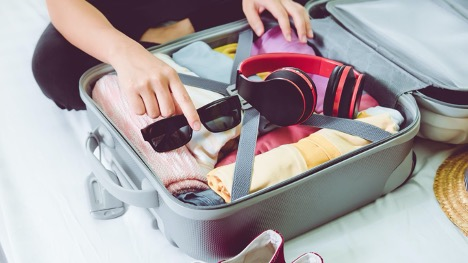
Frequent travel can be exciting, but without proper organization, it can quickly become stressful. Managing flights, accommodations, packing, documents, schedules, and personal belongings requires planning and an efficient system. Whether you travel for business, adventure, or regular vacations, staying organized helps you save time, reduce stress, and enjoy smoother journeys.
Modern travelers have access to many digital tools and resources that make trip planning easier. Platforms and travel guides such as gotravellight.com provide useful ideas for organizing trips, preparing travel essentials, and improving the overall travel experience. Having a reliable approach to travel organization allows frequent travelers to focus more on exploring destinations instead of dealing with last-minute problems.
Good travel organization is not only about packing neatly. It includes preparing documents, creating flexible schedules, managing finances, protecting important items, and developing habits that make every trip more efficient. With the right strategies, travelers can turn complicated journeys into comfortable and enjoyable experiences.
Why Travel Organization Matters
Frequent travelers often face repeated challenges, including changing schedules, different destinations, and unexpected situations. Without a system, small mistakes can create unnecessary problems.
Effective travel organization helps with:
- Saving preparation time
- Avoiding forgotten items
- Reducing travel stress
- Managing expenses better
- Improving productivity during trips
- Making trips more enjoyable
A well-organized traveler spends less time solving problems and more time experiencing the destination.
Create a Travel Planning System
One of the best ways to stay organized is to create a repeatable travel planning system. Instead of starting from zero for every journey, frequent travelers can use checklists, templates, and digital tools.
A useful travel system may include:
- Pre-trip checklist
- Packing list
- Document folder
- Budget tracker
- Travel itinerary
- Emergency information
Having these resources ready makes preparation faster and more reliable.
Keep Important Documents Organized
Travel documents are among the most important items to manage. Losing a passport, visa, reservation confirmation, or identification document can create major difficulties.
Travelers should keep:
- Passport copies
- Flight details
- Hotel confirmations
- Travel insurance information
- Emergency contacts
- Identification documents
Digital copies stored securely online can provide additional protection if physical documents are lost.
Pack Smarter, Not More
Many frequent travelers improve their experience by learning how to pack efficiently. Carrying too many items creates unnecessary weight and makes transportation more difficult.
Smart packing strategies include:
Use a Packing Checklist
A checklist prevents important items from being forgotten and helps avoid overpacking.
Choose Versatile Clothing
Selecting clothing that can be combined in multiple ways reduces the number of items needed.
Organize With Packing Cubes
Packing cubes help separate clothing, electronics, toiletries, and accessories while making luggage easier to manage.
Prepare a Travel Essentials Bag
A dedicated bag containing chargers, adapters, medications, and personal items saves time during every trip.
Use Digital Travel Tools
Technology has transformed the way people organize travel. Smartphones now allow travelers to manage nearly every aspect of a journey.
Helpful digital tools include:
- Airline apps
- Navigation apps
- Currency converters
- Translation tools
- Digital wallets
- Cloud storage services
- Travel planning applications
Using technology reduces paperwork and keeps important information accessible.
Plan Flexible Itineraries
While having a schedule is important, overly strict plans can create unnecessary stress. Frequent travelers benefit from creating flexible itineraries that allow adjustments.
A balanced itinerary should include:
- Important activities
- Travel times
- Rest periods
- Backup options
- Free exploration time
Flexibility helps travelers handle delays, weather changes, and unexpected opportunities.
Manage Travel Finances Efficiently
Financial organization is an essential part of successful travel. Unexpected expenses can quickly affect a trip if there is no budget plan.
Helpful financial practices include:
- Creating a travel budget
- Tracking daily expenses
- Carrying multiple payment options
- Checking currency exchange rates
- Keeping emergency funds available
The U.S. Department of State Travel Information also provides guidance for international travelers, including preparation tips and safety considerations for trips abroad.
Prepare Before Departure
Many travel problems can be avoided through early preparation. Before leaving, travelers should review:
- Weather conditions
- Local transportation options
- Accommodation details
- Required documents
- Health requirements
- Destination rules
A few minutes of preparation can prevent hours of inconvenience later.
Keep Your Luggage Organized
Maintaining luggage organization during a trip is just as important as packing it initially.
Helpful habits include:
- Returning items to the same location
- Separating clean and used clothing
- Keeping electronics together
- Labeling luggage
- Checking belongings before leaving locations
These simple habits reduce the chances of losing important items.
Create a Travel Routine
Frequent travelers benefit from developing consistent routines. Repeating successful habits makes preparation faster and reduces decision fatigue.
A travel routine might include:
- Preparing luggage several days early
- Reviewing documents before departure
- Charging devices overnight
- Checking transportation details
- Confirming reservations
Consistency creates confidence and makes frequent travel easier.
Health and Safety Preparation
Staying healthy while traveling requires planning. Changes in climate, food, schedules, and environments can affect travelers.
Consider preparing:
- Basic medications
- Hand sanitizer
- Personal hygiene items
- Comfortable walking shoes
- Reusable water bottle
- Health documents when required
Taking care of personal health allows travelers to enjoy their trips more fully.
Learn From Every Trip
Experienced travelers improve their organization by reviewing previous journeys. After returning home, consider what worked well and what could be improved.
Questions to ask include:
- Which items were unnecessary?
- What problems occurred?
- What should be prepared earlier?
- Which tools were most helpful?
Continuous improvement creates better travel habits over time.
Conclusion
Travel organization is a valuable skill for anyone who travels frequently. By creating planning systems, organizing documents, packing efficiently, using digital tools, managing finances, and maintaining consistent routines, travelers can reduce stress and enjoy smoother experiences.
The goal of organization is not to remove spontaneity from travel but to create a reliable foundation that allows more freedom and enjoyment. With effective preparation, every journey becomes easier, more comfortable, and more memorable.