
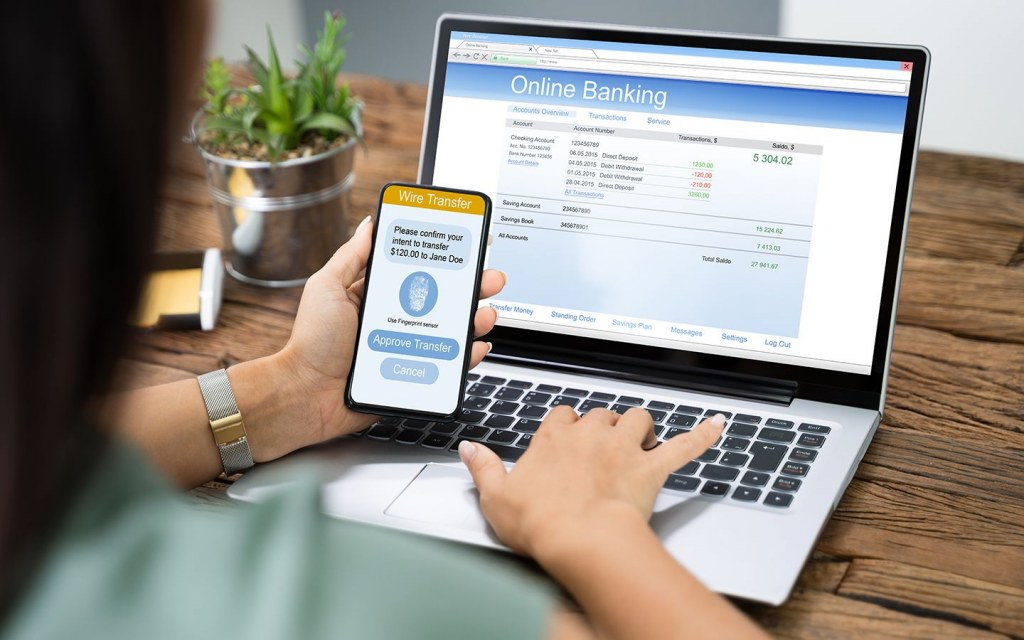
Online banking has transformed the way people manage their finances. Instead of visiting a physical branch for every transaction, customers can now check account balances, transfer funds, pay bills, and monitor financial activity from their computers or smartphones. As digital banking services continue to expand, understanding how they work and how to use them safely has become an essential financial skill.
Whether you’re opening your first online banking account or looking to improve your digital financial knowledge, learning the basics can help you take advantage of modern banking services while protecting your personal information. Readers interested in financial technology, digital banking, and educational resources can also visit Bynethi com for informative articles and online insights related to finance and technology.
What Is Online Banking?
Online banking allows customers to access financial services through the internet without needing to visit a bank branch for routine transactions. Most financial institutions now offer secure websites and mobile applications that allow users to manage their accounts at any time.
Common online banking services include:
- Checking account balances
- Viewing transaction history
- Transferring money between accounts
- Paying utility bills
- Setting up automatic payments
- Depositing checks through mobile apps
- Downloading account statements
These features provide convenience while helping users manage their finances more efficiently.
Benefits of Digital Banking
Online banking offers several advantages for both individuals and businesses.
Some of the most significant benefits include:
- 24/7 account access
- Faster financial transactions
- Reduced paperwork
- Better expense tracking
- Convenient bill payments
- Secure account monitoring
- Mobile banking flexibility
These services save time while giving customers greater control over their financial activities.
Keeping Your Banking Information Secure
Security is one of the most important aspects of online banking.
Users should follow several best practices to protect their accounts:
- Create strong, unique passwords.
- Enable multi-factor authentication whenever available.
- Avoid accessing financial accounts through public Wi-Fi.
- Keep banking applications updated.
- Monitor account activity regularly.
- Never share login credentials with others.
Developing safe online habits significantly reduces the risk of fraud and unauthorized account access.
Understanding Mobile Banking
Mobile banking applications provide many of the same services available through desktop websites while adding extra convenience.
Most mobile banking apps allow users to:
- Transfer funds
- Deposit checks using a smartphone camera
- Receive transaction alerts
- Locate nearby ATMs
- Freeze lost debit cards
- Pay friends electronically
The growing popularity of smartphones has made mobile banking an essential part of everyday financial management.
Digital Payments and Money Transfers
Many banks now support fast electronic payment systems that simplify everyday transactions.
Consumers can use online banking to:
- Send money to family members
- Pay service providers
- Schedule recurring payments
- Make online purchases
- Manage subscriptions
Electronic payments often reduce processing times while providing digital transaction records for future reference.
Managing Your Finances More Effectively
Online banking tools can also help users improve financial organization.
Many banking platforms provide:
- Spending summaries
- Budget tracking
- Savings goals
- Transaction categorization
- Account notifications
These features encourage better financial awareness and help users make informed budgeting decisions.
Recognizing Common Online Banking Scams
Cybercriminals frequently target online banking users through phishing emails, fake websites, and fraudulent phone calls.
To stay protected:
- Verify website addresses before logging in.
- Ignore suspicious emails requesting personal information.
- Never click unexpected financial links.
- Contact your bank directly if you receive unusual account notifications.
- Review account statements regularly for unauthorized activity.
Remaining cautious is one of the best defenses against financial fraud.
The Future of Digital Banking
Technology continues to reshape the financial industry.
Artificial intelligence, biometric authentication, digital wallets, instant payments, and enhanced fraud detection systems are making banking services more secure and convenient than ever before.
As financial technology evolves, customers can expect increasingly personalized digital banking experiences supported by stronger security measures and faster financial services.
Learn from Trusted Financial Resources
When researching online banking or managing personal finances, it is important to rely on authoritative financial organizations. Official consumer resources provide practical guidance on banking safety, fraud prevention, and responsible financial management.
For educational information about consumer banking and financial protection, readers can visit the Consumer Financial Protection Bureau (CFPB), a trusted source of financial education and consumer guidance.
Conclusion
Online banking has become an essential part of modern financial life, offering convenience, flexibility, and powerful financial management tools. By understanding how digital banking works, practicing good cybersecurity habits, and staying informed through reliable financial resources, individuals can confidently manage their accounts while protecting their personal information. As technology continues to advance, online banking will remain a cornerstone of secure and efficient financial management.