
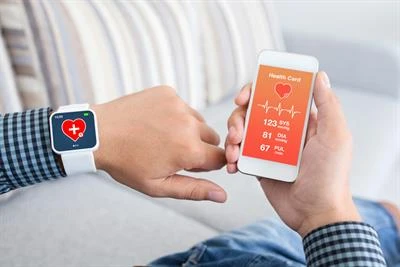
Technology has changed almost every part of human life, and healthcare is one of the industries that has benefited the most. In recent years, mobile health monitoring systems have become extremely important in improving healthcare services worldwide. These advanced systems allow patients and healthcare providers to monitor health conditions using smartphones, wearable devices, sensors, and digital applications.
Today, people can track their heart rate, blood pressure, sleep patterns, blood sugar levels, and physical activity directly from mobile devices. Healthcare is no longer limited to hospitals and clinics because patients can now receive medical support from almost anywhere.
The importance of mobile health monitoring systems continues growing because these technologies improve patient care, support early disease detection, reduce healthcare costs, and help people manage chronic illnesses more effectively. This detailed article by virtualaia.com explains how mobile health monitoring systems work, their benefits, challenges, and their future role in modern healthcare.
What Are Mobile Health Monitoring Systems?
Mobile health monitoring systems, often called mHealth systems, are digital healthcare technologies that use mobile devices and wireless communication to monitor patient health remotely.
These systems collect health information through devices such as:
- Smartphones
- Smartwatches
- Fitness trackers
- Wireless sensors
- Portable medical devices
The collected data is then analyzed and sometimes shared directly with doctors and healthcare providers.
Mobile health systems can monitor:
- Heart rate
- Blood pressure
- Blood oxygen levels
- Blood sugar levels
- Sleep quality
- Physical activity
- Body temperature
These systems make healthcare more accessible and convenient for patients of all ages.
How Mobile Health Monitoring Systems Work
Mobile health monitoring systems use wearable sensors, smartphone applications, cloud computing, and wireless internet to collect and transfer health data.
Wearable Devices
Wearable technology like smartwatches and fitness bands continuously tracks health information throughout the day.
Mobile Applications
Health apps allow users to monitor symptoms, medication schedules, fitness activities, and health reports.
Wireless Communication
Bluetooth, Wi-Fi, and mobile internet help transfer medical data securely between devices and healthcare systems.
Cloud-Based Data Storage
Patient information is often stored in secure cloud systems where healthcare providers can access and analyze it remotely.
This technology creates continuous communication between patients and healthcare professionals without requiring constant hospital visits.
Importance of Mobile Health Monitoring Systems in Modern Healthcare
The importance of mobile health monitoring systems can be seen in many areas of modern healthcare.
Better Access to Healthcare Services
Many people live far away from hospitals or medical specialists. Mobile health systems help bridge this gap by providing remote healthcare support.
Patients can share health data with doctors, receive online consultations, and get treatment advice without traveling long distances.
This is especially useful for people living in rural or underserved areas.
Early Detection of Health Problems
Continuous health monitoring allows doctors to detect medical problems early. Small changes in heart rate, blood pressure, glucose levels, or oxygen levels can be identified before they become serious.
Early diagnosis often leads to faster treatment and better health outcomes.
Mobile monitoring systems play an important role in preventing severe complications and reducing emergency hospital visits.
Better Management of Chronic Diseases
Millions of people suffer from chronic illnesses such as:
- Diabetes
- Hypertension
- Heart disease
- Asthma
- Obesity
Managing these conditions requires regular monitoring and medical supervision.
Mobile health monitoring systems help patients track their symptoms daily while doctors monitor their progress remotely. This improves disease management and helps patients follow treatment plans more effectively.
Reduced Healthcare Costs
Healthcare treatments and hospital visits can be very expensive. Mobile health systems help reduce healthcare costs by minimizing unnecessary hospital admissions and routine clinic visits.
Remote monitoring allows doctors to manage patients more efficiently without requiring frequent in-person appointments.
Patients also save money on transportation and travel expenses.
Real-Time Health Monitoring
Traditional healthcare often depends on occasional medical checkups. Mobile health monitoring systems provide continuous real-time health tracking.
Doctors can immediately receive updates if a patient’s health condition changes suddenly.
Real-time monitoring is particularly important for:
- Heart patients
- Diabetic patients
- Elderly individuals
- Post-surgery recovery patients
Continuous monitoring improves patient safety and treatment accuracy.
Encouraging Preventive Healthcare
One of the biggest advantages of mobile health systems is their role in preventive healthcare.
Many mobile applications encourage users to:
- Exercise regularly
- Eat healthier foods
- Track calorie intake
- Improve sleep habits
- Reduce stress
People become more aware of their health and lifestyle choices through daily monitoring and reminders.
Preventive healthcare reduces the risk of future diseases and improves overall wellness.
Importance for Elderly Patients
Older adults often need regular medical supervision. Mobile health monitoring systems allow elderly patients to stay independent while still receiving healthcare support.
Smart devices can detect falls, irregular heart activity, or missed medications and immediately alert family members or doctors.
This technology improves elderly safety and quality of life.
Role During Medical Emergencies
Some advanced monitoring systems can automatically detect dangerous health conditions and send emergency alerts.
For example:
- Irregular heartbeat alerts
- Sudden oxygen level drops
- Emergency fall detection
- Abnormal blood pressure warnings
Quick emergency response can save lives in critical situations.
Mobile Health Monitoring and Telemedicine
Telemedicine and mobile health monitoring systems work together to improve healthcare delivery.
Telemedicine allows patients to consult doctors online through video calls or digital platforms. Mobile monitoring systems provide doctors with real-time patient data during these consultations.
This combination creates more efficient and convenient healthcare services.
Patients can receive medical advice, prescriptions, and monitoring support from home.
Benefits for Healthcare Providers
Mobile health monitoring systems are beneficial not only for patients but also for doctors and hospitals.
Improved Patient Monitoring
Doctors can monitor patient health continuously without requiring hospital stays.
Faster Medical Decisions
Real-time data helps healthcare professionals make faster and more accurate treatment decisions.
Better Communication
Patients and doctors can communicate more effectively through digital healthcare systems.
Reduced Hospital Burden
Remote patient monitoring reduces overcrowding in hospitals and clinics.
Healthcare systems become more organized and efficient through digital technology.
Role of Artificial Intelligence in Mobile Health Monitoring
Artificial intelligence is making mobile health monitoring systems smarter and more advanced.
AI systems can analyze patient data and identify health risks that may not be immediately visible to humans.
AI-powered systems can:
- Predict disease risks
- Detect abnormal patterns
- Recommend treatments
- Provide personalized health advice
Artificial intelligence improves diagnosis accuracy and supports better healthcare outcomes.
Popular Mobile Health Monitoring Devices
Many advanced devices are used today for mobile health monitoring.
Smartwatches
Track heart rate, oxygen levels, sleep, and physical activity.
Fitness Trackers
Monitor movement, exercise, and calories burned.
Portable ECG Devices
Allow patients to monitor heart activity remotely.
Glucose Monitoring Devices
Help diabetic patients track blood sugar levels continuously.
Smart Blood Pressure Monitors
Allow blood pressure measurement at home.
These devices make healthcare more convenient and accessible.
Challenges of Mobile Health Monitoring Systems
Although mobile health systems offer many benefits, they also face several challenges.
Data Privacy and Security
Medical information is highly sensitive. Protecting patient data from cyber threats is very important.
Internet Dependency
Most systems require stable internet and smartphone access.
Device Accuracy
Some wearable devices may not always provide perfectly accurate medical readings.
Technology Accessibility
Not everyone can afford advanced devices or digital healthcare systems.
User Knowledge
Some patients may struggle to understand how to use health monitoring technology properly.
Healthcare organizations continue working to improve device accuracy, affordability, and security.
Future of Mobile Health Monitoring Systems
The future of mobile healthcare technology looks extremely promising. Advancements in artificial intelligence, wearable devices, cloud computing, and wireless communication are making mobile health systems more powerful.
Future developments may include:
- AI-powered disease prediction
- Advanced remote surgeries
- Smart wearable sensors
- Personalized healthcare systems
- Continuous mental health monitoring
Healthcare is becoming more digital, personalized, and patient-centered.
Importance of Mobile Health Monitoring Systems for Future Healthcare
The importance of mobile health monitoring systems will continue increasing as healthcare technology evolves.
These systems help create a healthcare environment that is:
- More efficient
- More accessible
- More affordable
- More preventive
- More patient-focused
Governments, hospitals, and healthcare companies worldwide are investing heavily in digital healthcare technologies to improve patient outcomes and healthcare quality.
Conclusion
The importance of mobile health monitoring systems cannot be ignored in today’s digital healthcare world. These advanced technologies improve healthcare access, support early disease detection, reduce medical costs, and help patients manage chronic illnesses more effectively.
Mobile health monitoring systems allow real-time health tracking and create stronger communication between patients and healthcare providers. Although challenges such as data security and accessibility still exist, continuous technological improvements are making these systems safer and more reliable.
As healthcare continues evolving, mobile health monitoring systems will play an even bigger role in improving global healthcare services and helping people live healthier lives.
This detailed guide by virtualaia.com highlights how digital healthcare technology is transforming patient care and shaping the future of modern medicine.
FAQs
1. What are mobile health monitoring systems?
Mobile health monitoring systems are digital healthcare technologies that use smartphones, wearable devices, and sensors to monitor health conditions remotely.
2. Why are mobile health monitoring systems important?
They improve healthcare access, support early disease detection, reduce costs, and help manage chronic illnesses more effectively.
3. What devices are used in mobile health monitoring?
Common devices include smartwatches, fitness trackers, glucose monitors, ECG devices, and smart blood pressure monitors.
4. Can mobile health monitoring systems help elderly patients?
Yes, they help elderly patients monitor their health safely while remaining independent at home.
5. What are the main challenges of mobile health monitoring systems?
Challenges include data privacy concerns, internet dependency, device accuracy issues, and technology accessibility.