
Innovating within the electrical supply chain is essential for modern businesses hoping to keep pace with growing industry demands and rapid technological change. In today’s fast-moving market, delays and mismanaged logistics can have a significant negative impact on both profitability and customer satisfaction. Streamlining supply chain operations supports faster deliveries, cost reductions, and better resource management for suppliers of equipment and materials across the electrical sector. When companies deploy innovative solutions across procurement, transportation, inventory management, and customer service, they create a seamless supply flow that benefits all stakeholders. By integrating smart technologies and prioritizing efficiency, both large organizations and independent distributors can consistently exceed customer expectations and remain competitive, even as business models and technology requirements evolve rapidly.
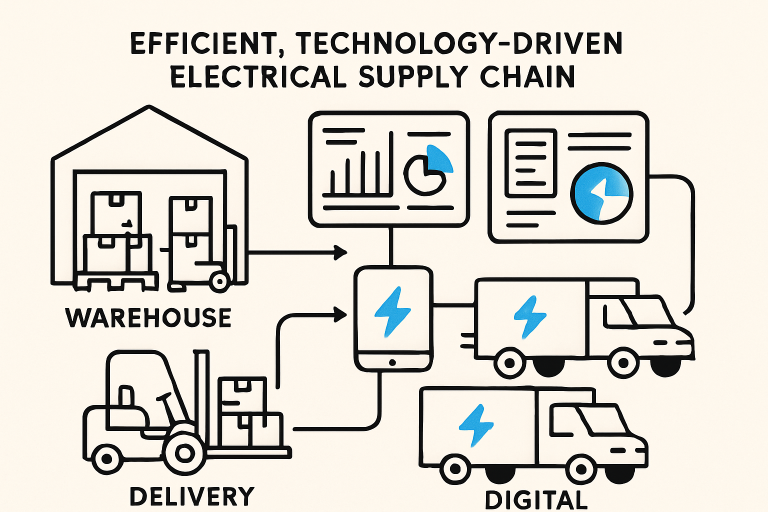
Modernizing the supply chain is about more than simply adopting new systems. It requires a comprehensive approach that leverages digital transformation, Internet of Things (IoT) integration, and advanced analytics to improve results at every stage. Digital platforms are now central to supply chain management, replacing traditional paperwork with real-time dashboards, automated alerts, and integrated communication channels. Real-time data is key to boosting operational visibility, which in turn drives smarter decision-making throughout the logistics process. With deeper insight into inventory, transportation, and customer demand, managers can respond instantly to market shifts, supply interruptions, or sudden increases in orders, ensuring companies stay ahead of problems rather than react after the fact.
Digital Transformation in Supply Chains
Digitalization fundamentally transforms every facet of the supply chain. Moving procurement, order management, and workflow coordination onto cloud-based platforms streamlines vendor relationships and allows distributors to automatically update stock, track deliveries, and generate quotes in real time. This technology-driven shift reduces paperwork, eliminates manual errors, and allows organizations to collaborate more effectively with partners and customers. Many successful suppliers now use mobile apps paired with ERP integrations to reduce administrative delays, minimize errors, and improve price transparency. These connected platforms are crucial for accurately tracking materials, ensuring timely payments, and facilitating rapid onboarding of new suppliers or products.
Real-time data collaboration among departments enables faster responses to disruptions and supports a more agile business model, according to McKinsey & Company’s industry research. For example, if a shipment is delayed or a specific part is running low, automated alerts across the system notify all relevant stakeholders so they can adjust plans or expedite alternative sourcing. This break from siloed working empowers organizations to be adaptive and resilient, capitalizing on opportunities and proactively managing risks across the electrical supply chain.
Leveraging Internet of Things (IoT)
IoT technology, including sensors and connected devices, revolutionizes supply chain monitoring. By capturing real-time information about inventory levels, shipping status, and even the environmental conditions of parts in transit, suppliers ensure goods move quickly and safely from manufacturers to end users. This direct, automated feedback loop helps reduce losses and optimize asset utilization. Through smart tagging and GPS tracking, companies can pinpoint the exact location and condition of shipments, reducing losses from spoilage, theft, or mishandling and ensuring compliance with industry regulations and quality standards.
Companies like Schneider Electric have adopted IoT-driven solutions to enable predictive, data-driven supply chain responses, resulting in measurable performance improvements and lower costs. For instance, by monitoring the temperature and humidity of sensitive electrical components during shipping and storage, firms can proactively intervene to prevent product failures, saving money and keeping customers happy. IoT-powered systems also make it easier to automate replenishment orders and enhance safety through real-time environmental monitoring on warehouse floors.
Artificial Intelligence (AI) in Inventory Management
AI helps distributors forecast demand, predict maintenance requirements, and optimize delivery routes, directly reducing both inventory carrying costs and the risk of stockouts. Advanced machine learning models track historical sales data, usage patterns, and market trends to ensure accurate inventory levels and smarter replenishment decisions. AI-powered solutions enable dynamic pricing by adjusting charges based on demand, seasonality, or competitor activity, providing additional revenue-optimization opportunities for electrical suppliers.
Suppliers benefit from adapting AI-driven marketing strategies that analyze purchasing behaviors at scale, driving more personalized customer interactions and maximizing the impact of promotional efforts. As reported by Harvard Business Review, AI integration often leads to improved efficiency and more reliable supply chain outcomes. These improvements free up resources for innovation and allow teams to focus on strategic growth initiatives rather than repetitive manual tasks, accelerating transformation across the supply chain.
Blockchain for Enhanced Transparency
Blockchain’s decentralized, tamper-proof nature resolves long-standing transparency issues in electrical supply chains. It assures customers and partners that all records (from raw material sourcing to final delivery) are trustworthy and auditable. Every transaction, contract, and delivery is logged with a permanent, time-stamped record, making it nearly impossible for any party to introduce errors or alter shipment histories. Blockchain also combats counterfeiting, protecting the integrity of vital electrical components. This secure, transparent record-keeping aligns all stakeholders and simplifies compliance with regulatory standards. By streamlining audits and making all transactions accessible to authorized participants, blockchain solutions build trust across complex, global supply chains and drive greater accountability.
Sustainable Practices in Supply Chains
Modern supply chains must balance efficiency with sustainability. Integrating renewable distributed energy resources, utilizing recycled materials, and prioritizing energy-efficient manufacturing processes all contribute to greener operations. For electrical supply companies, sustainability strategies could also mean choosing suppliers with eco-friendly practices, designing products for longer lifecycles, and investing in technologies that reduce resource waste. These sustainable practices not only reduce the environmental impact but also build resilience against market volatility and supply interruptions. Responsible companies find that investing in green logistics can reduce long-term costs and improve customer loyalty.
Modularization and Standardization
Adopting modular system designs enables faster scaling and more predictable project rollouts across multiple sites. This approach is especially useful for companies serving clients with dispersed operations, such as utilities or infrastructure providers. Standardized electrical system components reduce engineering rework and simplify system integration, cutting both costs and timelines. Modularization also streamlines training, troubleshooting, and maintenance processes for field teams, reinforcing efficiency and facilitating profitable expansion strategies. With standardized modules and installation steps, suppliers can provide consistent quality and quickly resolve field issues, helping clients minimize project overruns and maximize the value of each rollout.
Predictive Maintenance Strategies
Predictive maintenance, enabled by IoT devices and AI analytics, enables companies to anticipate and prevent equipment failures before they cause costly downtime. Connected sensors continuously collect data on device health, operational stress, and performance anomalies, proactively flagging potential risks. Maintenance managers can schedule repairs at convenient times, avoiding unexpected breakdowns and extending asset longevity. This data-driven approach to maintenance extends asset life, cuts expenses, and ensures safety standards are rigorously maintained. It’s a smarter alternative to reactive or scheduled maintenance, enabling more precise planning and improved compliance across electrical supply operations.
Final Thoughts
Increasing the efficiency of the electrical supply chain requires a holistic, technology-driven approach. By prioritizing digital transformation, IoT, AI solutions, blockchain security, sustainable practices, modularization, and predictive maintenance, suppliers place themselves at the forefront of industry innovation. These strategic improvements not only boost internal productivity but also enhance customer experiences and create a more secure, scalable future for the entire sector. Forward-thinking organizations that champion these emerging practices are best positioned to adapt to changing demands and lead the way in delivering reliable, responsible supply chain solutions for years to come.